
As infrastructure ages, property management must prioritize effective pipe repair options. Trenchless technology provides a less intrusive alternative to conventional dig-and-replace processes. This blog article digs into the two main trenchless techniques: pipe bursting vs pipe lining. Here, we will offer a full comparison of their processes, prices, benefits, and applications.
Introduction to Trenchless Pipe Repair
Trenchless pipe repair is a new method of servicing subsurface pipes that eliminates the considerable surface disruption associated with traditional excavation. This method is particularly useful in metropolitan areas or landscaped homes where excavation might create major disturbance.
Understanding Pipe Bursting

Pipe bursting is a replacement process for pipes that have been extensively damaged. It entails breaking the current pipe while also dragging a new pipe into position. This technology is appropriate for upgrading pipes and replacing those that cannot be saved.
Advantages of Pipe Bursting
Complete Replacement: Installs a new pipeline that will increase flow capacity and system dependability.
Durability: New pipes are often more resistant to future damage.
Flexibility: Can handle a variety of pipe materials and diameters.
Understanding Pipe Lining
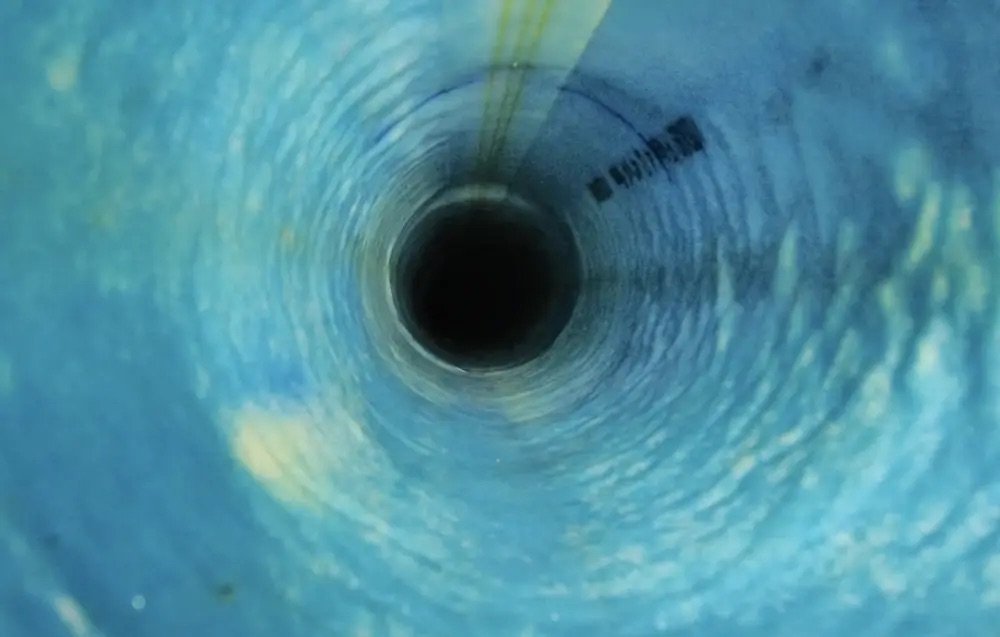
Pipe lining, also called cured-in-place pipe (CIPP), is the process of inserting a resin-saturated liner into an existing pipe and curing it to create a “pipe within a pipe.” This is useful for fixing leaks, fractures, and other mild damage without completely replacing the pipeline.
Advantages of Pipe Lining
Cost-effectiveness: Generally less costly than complete pipe replacement.
Speed: Most pipe lining work may be done in one day.
Minimal Disruption: Reduces the requirement for excavation and its related interruptions.
Detailed Comparison: Pipe Bursting vs Pipe Lining
Suitability and Application
Choosing between pipe bursting and pipe lining depends largely on the condition of the existing pipes and the specific requirements of the job:
Pipe Bursting is preferred when the existing pipes are collapsed or when there is a need to upgrade the pipe size.
Pipe Lining is more suitable for pipes that retain structural integrity but have minor damage, such as cracks or leaks.
Longevity and Durability
Both approaches give long-lasting solutions. However, their durability varies depending on the material employed and the current pipeline condition:
Pipe bursting creates a new pipeline that has a longer service life and requires less regular maintenance.
Pipe lining is dependent on the condition of the existing pipe. The liner serves as a fresh inner layer, but weaknesses in the old pipe may ultimately appear.
Pipe Bursting versus Pipe Lining Cost Comparison
When comparing the costs of pipe bursting and pipe lining, various aspects must be considered. The decision frequently comes down to the long-term advantages vs the initial outlay.
Pipe bursting may be more expensive initially because of the machinery and the need to manually handle the old and new pipes but it ultimately results in a fully new pipe that may not require repairs for many years.
Trenchless pipe lining service is less expensive and faster to complete, but it may not be as long-lasting as pipe bursting, especially if the structural integrity of the old pipe is questionable.
Limitations and Considerations
Pipe Bursting:
Entry and exit pits: Pipe bursting necessitates the construction of entrance and exit holes, which can cause disruption and may need temporary access easements or licenses, especially in urban or landscaped locations.
Underground Congestion: This approach is less appropriate for pipelines located in heavily crowded underground locations. The existence of surrounding utilities or infrastructure may complicate the pulling process, increasing the danger of damage to adjacent structures or systems.
Pipe Lining:
Collapsed Pipes: Pipe lining does not work for pipelines that have fully collapsed. The liner’s insertion and expansion need a particular level of structural integrity. Completely corroded pipes lack the essential support, rendering this procedure unfeasible.
Dependence on Resin and Curing: The success of pipe lining is strongly dependent on the proper resin selection and curing method. Temperature and humidity are two key environmental elements that might impact the resin’s curing time and durability. Incorrect application or poor curing conditions might result in liner failures or a shorter lifespan of the repaired pipe.
How Casco Plumbing Can Help
Casco Plumbing has the ability and technology to analyze your individual problem and provide the best trenchless repair solution. If you don’t have a clear idea of pipe bursting versus lining, our staff is here to help. We understand the subtleties of both methods and can guide you through the complexity of pipe repair with ease and confidence. Casco Plumbing is more than just a service provider; we are a partner who guarantees the quality of their work and the lifespan of the solutions they give.