
When it comes to managing a property with a well, one typical problem is dirty well water. This might be especially disconcerting after a big rain or during normal use. Understanding why my well water is dirty and how to resolve these issues is critical for providing safe, clean water in your household. In this post, we’ll look at the common causes of filthy well water, how weather impacts well safety, and what you can do to fix and avoid these problems.
Understanding Dirty Well Water
Dirty well water might seem hazy, muddy, or discolored, and it may have an unpleasant odor or flavor. This might be due to a variety of variables, all of which are connected to the quality of your well and the surrounding environment.
Sediment Infiltration
The most prevalent cause of dirty well water is the presence of sediment. This can contain sand, silt, and other grains found in the earth. After a big rain, additional runoff can disrupt the sediment surrounding and within your well, causing it to mix into the water supply and result in dirty well water after heavy rain.
Well Pump Screen Clogging
Another common source of dirty well water is a blocked pump screen. This screen prevents larger particles from entering your water supply. If the screen becomes clogged with debris, it can restrict water flow and lead to contamination. Regular maintenance of your well water system is essential to keep these screens clear and prevent issues related to a clogged well pump screen.
Microbial Contamination
Heavy rains and flooding can also cause microbial contamination through surface runoff. This runoff can bring germs and other diseases into your well water, rendering it dangerous to drink and resulting in unclean well water after heavy rain.
Diagnosing Dirty Well Water
To properly treat dirty well water, first identify the cause of the problem. Here are some methods to diagnose and solve the problem:
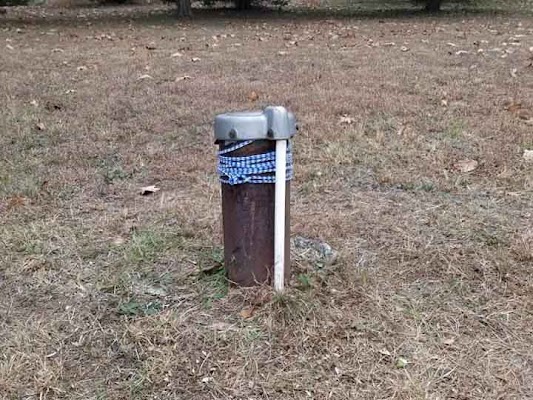
Inspect the well cap: Ensure that the well cap is secure and free of fractures. A damaged well lid might let pollutants into the well.
Check for sediment: Look for visible sediment in your water. This might mean that your well needs to be cleaned or that the surrounding earth is eroding into it.
Test the water: Regular water testing is essential, particularly after heavy rain. Testing can identify specific pollutants and influence treatment decisions.
Solutions for Clean Well Water
Once you’ve determined the source of your bad well water, you can adopt many solutions:
Well Cleaning and Maintenance: Regular cleaning and maintenance of your well may help avoid silt accumulation and ensure that all components work properly.
Replace Or Clean The Well Screen: If your well pump screen is clogged, cleaning or replacing it might help improve water quality.
Water Treatment Systems: Installing water treatment devices like sediment filters or UV light purifiers can help safeguard your home’s water supply from a variety of toxins.
Preventative Measures
Preventing bad well water begins with good well construction and maintenance:
Proper Well Location and Construction: Make sure your well is placed away from potential pollution sources like septic systems and agricultural runoff regions.
Regular inspections: Conduct a yearly inspection of your well system to look for mechanical issues and structural integrity.
Vegetative Barriers: Planting plants around your well can help prevent erosion and runoff, lowering the danger of silt penetration.
Conclusion: Ensuring Safe Well Water
Casco Plumbing fully understands the importance of having clean, safe water in your home. Therefore, our skilled well system experts in Winchester are here to help you not only diagnose but also treat and prevent any issues with your well system. Whether it’s routine maintenance or the installation of advanced water treatment technologies, we ensure that your water remains clean and safe to drink. So, don’t hesitate to contact us for all of your well water needs!