
A sewer backup in your basement isn’t simply unpleasant; it can convert your home into a cluttered, stinky nightmare. If you’ve ever wondered what causes sewer backup in basement, you’re not alone. Many homeowners have this problem, particularly during severe rainfall or after years of pipe neglect. Understanding the underlying reasons and how to fix sewer backup in basement problems can help you avoid costly repairs and health risks.
Let’s look at the major causes of these terrible backups and how you can stop them before they start.
What Causes a Sewer Backup in the Basement?
When wastewater flows in the wrong direction, there is always a root cause. Let’s break down the most common reasons what causes sewer backup in basement situations.
Blockages in the Main Sewer Line
The most common reason behind what causes sewer backup in basement is a clogged main sewer line. Grease, hair, soap residue, and debris can accumulate inside your pipes. This deposit narrows the passage, making it difficult for water to move freely. Eventually, it generates enough pressure to force unclean water back into the basement.
A minor obstruction can easily turn into a severe backup, especially if numerous drains are utilized simultaneously.
Problems With Municipal Sewer Systems
Sometimes the problem isn’t in your house. During instances of extreme rainfall or flooding, city sewer systems may become overwhelmed. When municipal pipes approach capacity, extra water has nowhere to go but back into surrounding residences.
That’s another common reason what causes sewer backup in basement situations, even for homeowners who maintain their plumbing regularly. Unfortunately, you cannot control the city’s system, but you can take precautions to safeguard your property from its consequences.
Aging or Damaged Pipes
Old pipes may break, collapse, or become misaligned over time. This damage disrupts smooth water flow and provides an ideal setting for blockages to grow. Older homes frequently have clay or cast-iron pipes, which decay faster.
In such cases, how to fix sewer backup in basement often involves replacing sections of damaged piping with modern materials like PVC.
Improper Disposal Habits
What you flush down your drains can come back to haunt you. Flushable goods such as toilet wipes, feminine hygiene products, and paper towels can easily clog your system. Similarly, dumping grease down the sink may appear harmless, but as it cools, it solidifies as well as adheres to the pipe walls.
Being mindful of what goes down your drains is one of the simplest ways to avoid what causes sewer backup in basement disasters.
When to Call a Professional Plumber
Although minor clogs can be cleared with a plunger, certain danger indicators should never be ignored.
Frequent Backups Despite Cleaning
If you’ve cleaned your drains several times and still get backups, something is amiss. Persistent clogs are often indicative of a larger sewage line problem that necessitates the use of professional instruments and skills.
Strong Sewage Odors in the Basement
A foul odor coming from your drains is a clear indication of sewage buildup. It is unsanitary and harmful to your health. This situation calls for immediate inspection to determine how to fix sewer backup in basement before it worsens.
Slow Drains Throughout the House
If all of your drains—sinks, toilets, and tubs—are emptying slowly, the obstruction is most likely in the main line rather than a specific drain. This is a huge red warning that requires immediate treatment from a professional plumber.
How Professionals Fix a Sewer Backup in the Basement
Professional plumbers can restore the flow and purity of your system using specialized tools and tried-and-true methods.
Sewer Line Inspection With Cameras
A video examination can help identify the source of the problem without having to dig up your yard. The video feed shows cracks, clogs, and other damage so the plumber can determine exactly how to fix the sewer backup in basement efficiently.
Hydro Jetting for Severe Blockages
Hydro jetting uses high-pressure water to eliminate years of buildup, roots, and debris from pipes. It’s one of the most effective methods for dealing with severe or repeated obstructions.
Trenchless Sewer Repair Options
Gone are the days when repairing a sewer line required tearing up your lawn. Plumbers can replace or reline damaged pipes utilizing trenchless repair, which requires minimal digging. This contemporary approach is faster, cleaner, and more cost-effective.
How to Prevent Sewer Backups in a Basement
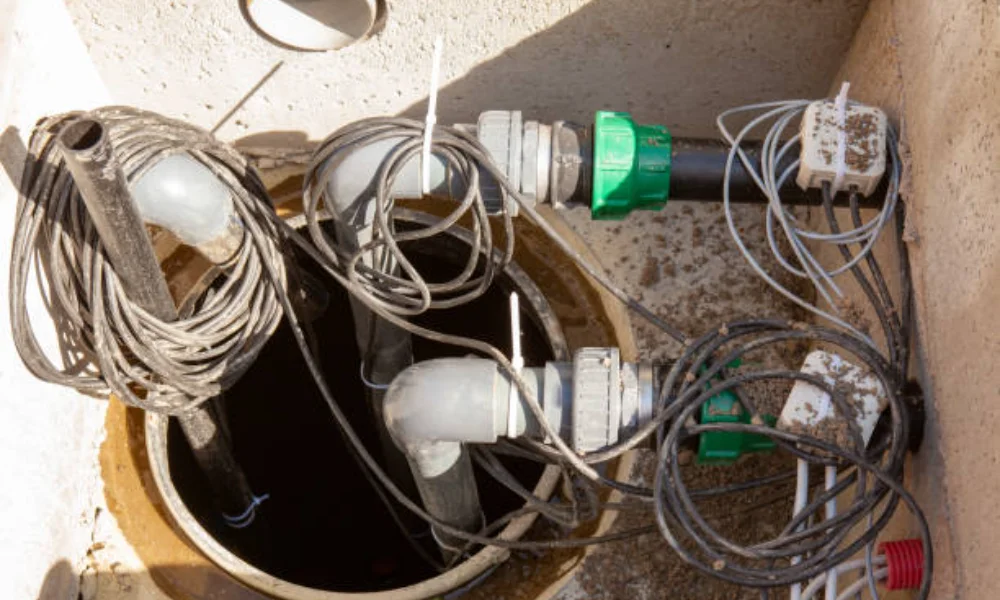
Knowing how to prevent sewer backup in basement can save you from endless headaches. Prevention is far cheaper than cleanup.
Regular Maintenance and Inspections
Knowing how to prevent sewer backup in the basement can save you a lot of trouble. Prevention is much less expensive than cleaning.
Installing Backwater Valves
A backwater valve is a one-way barrier that keeps sewage from flowing back into your home. It’s a smart investment, especially in flood-prone areas, and an excellent method for how to prevent sewer backup in basement systems.
Proper Disposal of Waste and Grease
Never put cooking oil or grease in the drain. Dispose of them in sealed containers. Educate your family members on what should and should not be flushed. Small behaviors can make a significant impact in avoiding blockages.
Landscaping Considerations to Avoid Tree Root Damage
Tree roots naturally seek water, and your sewer pipes provide an ideal source. Avoid growing huge trees near wastewater pipes and instead use root barriers to protect underground lines.
Upgrading Old or Damaged Sewer Lines
If your plumbing system is many decades old, upgrading to contemporary materials can help prevent future problems. PVC and ABS pipes are strong, corrosion-resistant, and less prone to collapse.
FAQs
Is It Safe to Stay In a House With Sewage Backup in the Basement?
No, it is unsafe. Sewage carries hazardous microorganisms and gases. Evacuate the area and promptly contact an expert to examine and clean the damage.
Does Insurance Cover Sewer Backup?
Most homeowner policies do not automatically cover sewer backups, but you may add it as an optional rider. Check with your insurance provider.
How Often Should a Homeowner Hydro Jet His Sewer Line?
Typically, once every 18 to 24 months is optimal, although this varies depending on the age of your home and the amount of plumbing used.
Call Casco Plumbing for Sewer Line Repair in Winchester, VA
A clean, dry basement doesn’t have to be a dream. By understanding what causes sewer backup in the basement and learning how to prevent sewer backup in the basement, you can protect your home from costly and unpleasant surprises. If you suspect any trouble or need professional help with how to fix a sewer backup in the basement, don’t wait for it to get worse.
Casco Plumbing is your reliable partner for sewer repair and maintenance in Winchester, Virginia. Their skilled staff inspects, repairs, and restores your plumbing in a timely and safe manner, using advanced tools.
Visit Casco Plumbing today to schedule sewage line maintenance and keep your basement safe, dry, and odor-free!