
A flooded basement is every homeowner’s nightmare. Water damage can be costly and frustrating to fix, Whether due to heavy rains, melting snow, or a sudden plumbing failure. That’s where a battery backup for sump pump systems comes in. If your primary sump pump loses power during a storm, a sump pump backup ensures that your basement stays dry. But with so many sump pump backup options available, how do you choose the best one? This guide will break down everything you need to know, from how they work to selecting the right one for your home.
What Is a Sump Pump Battery Backup, and Why Do I Need One?
A battery backup for a sump pump is a secondary system that kicks in when your main sump pump stops working due to power loss or mechanical failure. Since storms that bring heavy rainfall often lead to power outages, relying only on an electric sump pump can put your basement at risk. A sump pump backup ensures that water is still pumped out even when the power goes out, preventing flooding and water damage.
Without a backup, you could incur costly repairs due to water damage, mold growth, and structural issues. That’s why having the best battery backup sump pump is an essential investment for homeowners who want peace of mind.
How Does a Sump Pump Battery Backup Work During Power Outages?
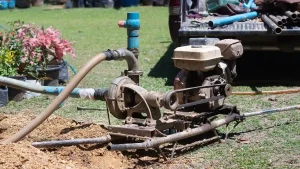
When your primary sump pump loses power, the battery backup for sump pump automatically takes over. It’s connected to a rechargeable battery, which provides power to the pump motor, ensuring water is still pumped out of your basement.
Here’s how it works:
- Power Loss Detection – The backup system constantly monitors the power supply. If the electricity goes out, it switches to battery power immediately.
- Water Level Monitoring – The backup pump has a separate float switch that detects rising water levels.
- Activation – Once the water level reaches a certain point, the pump removes water.
- Recharging – When power is restored, the battery recharges and is ready for the next emergency.
Sump Pump Backup Options
You have multiple options if you’re looking for a sump pump backup. Each has its pros and cons, so let’s break them down:
Battery Backup Sump Pumps
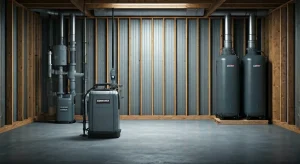
A battery backup for a sump pump is one of the most common choices. It runs on a rechargeable battery and activates automatically when the main pump loses power. The main benefits include:
- Works even if the power is out for an extended time.
- It can be used with an existing sump pump.
- Easy to install and maintain.
However, battery backups have a limited run time and require periodic battery replacement.
Water-Powered Backup Pumps
A water-powered backup pump uses municipal water pressure to remove water from the sump pit. Since it doesn’t rely on electricity or batteries, it’s a great option in areas with frequent power outages. Key advantages:
- No batteries to replace.
- Runs indefinitely as long as there’s water pressure.
On the downside, these pumps require a strong municipal water supply and won’t work with well systems.
Generator Backup
A generator backup provides power to your primary sump pump when electricity is out. You can choose between portable or whole-house generators:
- Portable Generators – Affordable and can be used for multiple appliances.
- Standby Generators – Automatically turn on when power is lost.
While generators are reliable, they require fuel and regular maintenance.
Dual-Pump Systems
A dual-pump system includes two sump pumps—one primary and one secondary. The second pump kicks in if the first pump fails or can’t keep up with heavy water flow.
- Ideal for homes with high water tables.
- Offers protection if the main pump fails for reasons other than power loss.
The only downside is the added installation cost.
How Do I Choose the Right Battery for My Sump Pump Backup?
When selecting the best battery backup sump pump, the battery type is as important as the pump itself. Here’s what to consider:
- Battery Type – There are two main types:
- Lead-Acid Batteries – Cheaper but require maintenance.
- Deep-Cycle AGM Batteries – These are more expensive but last longer and require less maintenance.
- Battery Capacity (Amp-Hours) – The higher the amp-hour rating, the longer your pump will run during a power outage.
- Recharge Time – Faster-charging batteries ensure your backup is ready for the next storm.
How Long Can a Sump Pump Battery Backup Run During a Power Outage?
The run time of a battery backup for sump pump depends on the following:
- Battery capacity – A higher amp-hour battery lasts longer.
- Pump frequency – The more water it needs to pump, the faster the battery drains.
- Battery health – Older batteries don’t hold a charge as well.
On average, the best battery backup sump pump systems run continuously for 6 to 12 hours, but some high-capacity systems can last up to 24 hours.
Can I Install a Sump Pump Battery Backup Myself, or Should I Hire a Professional?
While some DIY-savvy homeowners can install a sump pump backup, professional installation is recommended for:
- Ensuring the pump and battery are correctly wired.
- Properly setting the float switch for automatic activation.
- Verifying that the system is compatible with your existing sump pump.
A professional will also test the system to ensure it works when needed.
Reliable Well Pump Repair services to restore your water flow quickly and efficiently. Get expert solutions today!
What Are the Signs That My Sump Pump Battery Backup Needs Replacement?
To avoid failure during an emergency, watch for these warning signs:
- Shortened run time – The pump stops working sooner than expected.
- Slow recharge – The battery takes longer than usual to charge.
- Corrosion or leaks – Visible damage means the battery is deteriorating.
- Warning alarms – Many systems have alerts when the battery is failing.
Most sump pump batteries last between 3 to 5 years, so regular inspections are crucial.
How Do I Maintain My Sump Pump Battery Backup for Optimal Performance?
To ensure your battery backup for sump pump is ready when you need it:
- Test the system monthly – Pour water into the sump pit and check if the backup pump activates.
- Keep the battery terminals clean – Corrosion can affect performance.
- Replace old batteries – If your battery is over 3 years old, consider replacing it.
- Ensure the charger is working – A faulty charger can leave you unprotected.
Protect Your Basement with the Right Sump Pump Backup
Choosing the right sump pump backup is essential for keeping your basement dry and damage-free. Whether you opt for a battery backup for the sump pump, a water-powered system, or a generator, investing in a backup solution provides peace of mind during storms and power outages.
At Casco Plumbing and Well Pump Service, we understand the importance of a reliable sump pump system. Our team can help you choose, install, and maintain the best battery backup sump pump to fit your needs. Contact us today to ensure your home is protected from unexpected flooding.