
Hard water can wreak havoc on your plumbing, appliances, and daily chores. From stubborn white residue on glasses to clogged pipes and inefficient water heaters, the effects of hard water are hard to ignore. If you’ve been exploring ways to address this issue, you may have encountered the term salt-free water softener. But what exactly does it mean, and is it the right solution for your home? Let’s break it all down to help you make an informed decision.
What is a Salt-Free Water Softener?
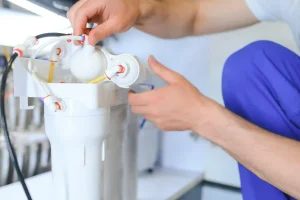
Unlike traditional water softeners that remove calcium and magnesium—the minerals that cause hardness—salt-free water softeners don’t remove these minerals. Instead, they condition the water by altering the minerals’ structure. This process prevents them from sticking to surfaces and forming scale, a common cause of plumbing and appliance damage.
These systems are often called water conditioners rather than water softeners because they don’t actually “soften” water in the conventional sense. However, they effectively tackle the primary issues associated with hard water, like scale buildup.
What’s the Difference Between Salt-Based and Salt-Free Water Softeners?
One of the homeowners’ biggest questions is choosing a salt-based or no-salt-water softener. Here’s how they differ:
-
Salt-Based Water Softeners
- Use ion exchange to remove hardness minerals like calcium and magnesium.
- Replace these minerals with sodium or potassium ions.
- Produce water that feels “silky” or “soft” and reduces soap usage.
- Require periodic salt refills and maintenance.
-
Salt-Free Water Softeners
- Technologies like Template Assisted Crystallization (TAC) can neutralize hard water minerals.
- Minerals remain in the water but don’t adhere to surfaces.
- No need for salt, electricity, or regeneration cycles.
- Provide low-maintenance scale prevention rather than traditional softening.
Key takeaway: Use salt-based systems to remove silky water and minerals. A salt-free water softener might be your best bet if you aim to reduce scale buildup with minimal maintenance.
How Do Salt-Free Water Softeners Work?
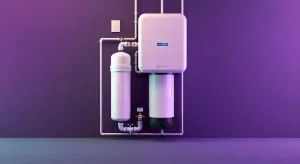
Salt-free systems use advanced technology to address hard water issues. The most common method is Template Assisted Crystallization (TAC). Here’s how it works:
- The hard water passes through a specialized media.
- This media acts as a catalyst, causing hardness minerals like calcium and magnesium to crystallize.
- Once crystallized, these minerals lose their ability to stick to surfaces, preventing scale buildup in pipes, fixtures, and appliances.
This process ensures your plumbing stays protected and your appliances last longer, even though the minerals remain in the water.
When to Consider a Salt-Free Water Softener?
A salt-free system can be a great choice for many homes. Here are some scenarios where it shines:
Scale Buildup is Your Main Concern
If your primary issue is a scale in pipes or appliances, a salt-free softener can effectively address this without removing minerals.
Low-Maintenance Preference
Do you hate refilling salt or maintaining equipment? Salt-free systems don’t require frequent upkeep.
Eco-Friendly Option
Since they don’t use salt or discharge brine, these systems are an environmentally friendly choice.
Health Considerations
If you’re on a sodium-restricted diet or simply want to avoid adding sodium to your water, this system keeps your water naturally mineral-rich and safe to drink.
However, a traditional system might be more effective if water is challenging.
Limitations of Salt-Free Water Softener Systems
While salt-free water softeners offer many benefits, they aren’t a one-size-fits-all solution. Here are some limitations to keep in mind:
- No Mineral Removal: Hard water minerals are not removed, which means water won’t feel soft to the touch.
- Not Ideal for Extremely Hard Water: Homes with hard water (above 15 grains per gallon) may still experience minor scale buildup.
- Appliance Sensitivity: Dishwashers or laundry machines may not perform as efficiently as they would with completely softened water.
If your water’s hardness level is off the charts or you prefer the feel of salt-softened water, a salt-based system might be more suitable.
Compact Explanation for Hard Water Issues
While salt-free systems don’t remove minerals like traditional softeners, they effectively prevent scale buildup. This makes them ideal for protecting plumbing and appliances. However, a salt-based softener might be a better fit if you want entirely softened water or must tackle very high hardness levels.
Enjoy cleaner, softer water with our professional water softener installation services. Reduce hard water issues, protect your appliances, and enjoy better-tasting water today. Contact us to schedule your installation!
FAQs About Salt-Free Water Softeners
How does a salt-free water softener benefit the environment?
Salt-free systems are eco-friendly since they don’t use salt or discharge brine into the environment. Plus, they conserve water by eliminating regeneration cycles.
Are salt-free water softeners more cost-effective?
Yes! Without salt or electricity, these systems are cost-effective and low-maintenance over their lifespan.
Can a salt-free water softener be used for tough water?
They work best for moderately complex water. You may still encounter scale issues for tough water and might benefit from a salt-based system instead.
Are salt-free water softeners safe for drinking water?
Absolutely. These systems don’t add chemicals or salt to your water, making drinking safe and healthy.
Is a Salt-Free Water Softener Right for You?
At Casco Plumbing, choosing the right water treatment system is crucial for your home. A salt-free water softener can be an excellent choice if you’re looking for a low-maintenance, eco-friendly solution to hard water. It prevents scale buildup, protects your plumbing, and keeps your appliances running efficiently.
Still not sure if it’s the right fit? We’re here to help! Contact us today to discuss your water treatment needs and find the perfect solution for your home.