

Choosing the right sump pump is crucial for keeping your basement dry and free from flooding. Homeowners often decide between a pedestal sump pump and a submersible pump. Both types have unique features, advantages, and ideal use cases. Understanding these differences can help you decide based on your home’s specific needs.
This blog will explore the differences between pedestal and submersible sump pumps, highlight their pros and cons, and guide you on when to pick one over the other.
Understanding Pedestal Sump Pumps
Pedestal sump pumps have the motor above the sump pit, standing on a pedestal, while the pump is at the bottom. This configuration makes the motor easily accessible for maintenance and repairs. Pedestal pumps are generally more affordable than submersible pumps and can last many years because the motor is kept out of the water. Their design ensures durability and ease of service, making them a practical choice for many homeowners looking for an efficient sump pump solution.
Advantages of Pedestal Sump Pumps:
- Affordability: Pedestal pumps are usually less expensive compared to submersible pumps.
- Ease of Maintenance: With the motor located above the sump pit, it’s easy to access for repairs or replacement.
- Longevity: The motor stays dry, contributing to a longer lifespan.
Disadvantages of Pedestal Sump Pumps:
- Noise: Pedestal pumps are noisier because the motor is above the pit.
- Space: The upright position of the motor and pedestal can take up more space in your basement.
Understanding Submersible Pumps
As the name suggests, submersible pumps are designed to be completely submerged in the sump pit’s water. The motor is encased in a waterproof housing, which helps to keep it cool and reduces the noise generated during operation. Submersible pumps are typically more powerful and efficient at pumping water out of the basement.
Advantages of Submersible Pumps:
- Efficiency: Submersible pumps are more powerful and can pump water out quickly.
- Quiet Operation: When submerged, the motor noise is significantly reduced.
- Space Saving: These pumps sit at the bottom of the sump pit, taking up less space in the basement.
If you are considering this option, our submersible pump installation in Winchester ensures optimal performance and reliability for your home.
Disadvantages of Submersible Pumps:
- Cost: Submersible pumps are generally more expensive than pedestal pumps.
- Maintenance: Since they are submerged, accessing the motor for repairs or replacement can be more challenging.
Choosing Between Pedestal and Submersible Sump Pumps
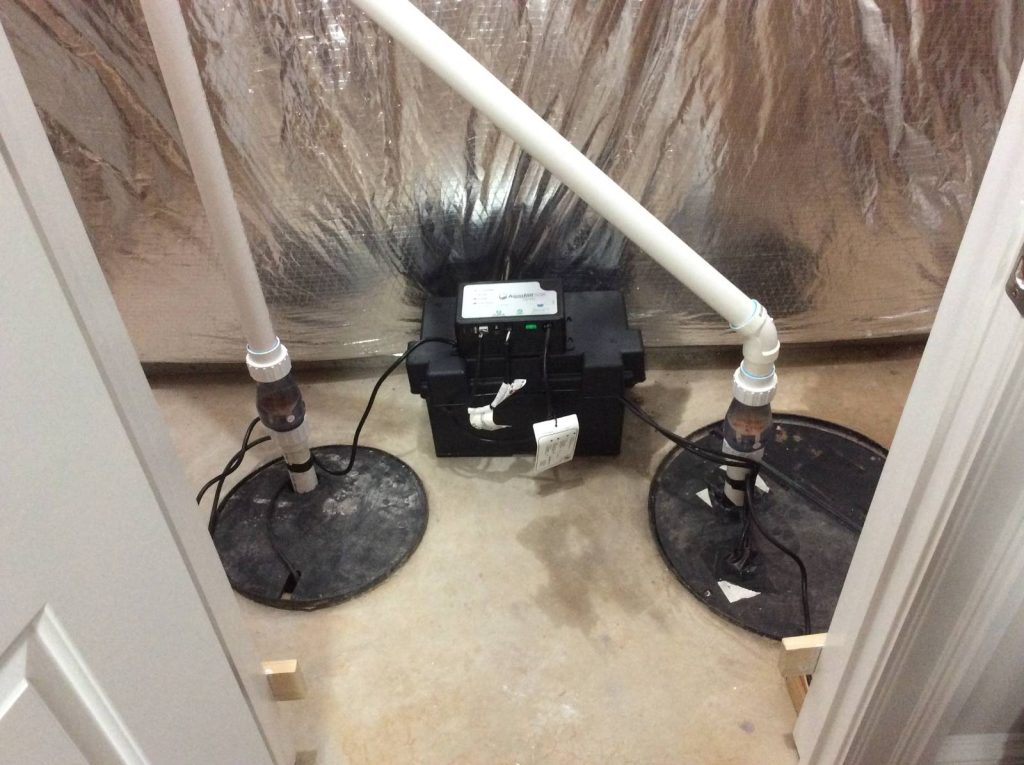
When to Choose a Pedestal Sump Pump:
- Budget Constraints: A pedestal sump pump might be the more cost-effective solution.
- Easy Access: If you prefer a pump that is easier to maintain and repair, a pedestal pump’s above-ground motor makes it more accessible.
- Low Water Volume: Pedestal pumps are suitable for areas with low to moderate water levels.
When to Choose a Submersible Pump:
- High Water Volume: If your basement tends to flood frequently or you have a high water table, a submersible pump’s efficiency and power can handle larger volumes of water more effectively.
- Noise Reduction: A submersible pump is ideal for homeowners who prefer quieter operation.
- Space Saving: If space is at a premium in your basement, a submersible pump’s compact design can be beneficial.
Similarly, Learn More About: What a Submersible Well Pump Is and How It Works
Installation Considerations
Regardless of the type of pump you choose, proper installation is critical for optimal performance. Here are some key points to keep in mind:
- Correct Sump Pit Size: Ensure your sump pit is the right size for your chosen pump. If it is too small, the pump may not work efficiently; if it is too large, it may cycle on and off too frequently.
- Check Valve Installation: A check valve on the discharge line prevents water from flowing back into the pit, reducing wear on the pump.
- Backup Power: Consider installing a backup power source, such as a battery-operated sump pump, to ensure your system works during power outages.
Maintenance Tips
Regular maintenance can extend the lifespan of your sump pump and ensure it operates efficiently. Here are some maintenance tips:
- Regular Testing: Test your pump every few months by pouring water into the sump pit to ensure it activates and drains the water properly.
- Clean the Sump Pit: Remove debris and silt from the pit to prevent clogging and ensure smooth operation.
- Inspect the Pump: Check for any signs of wear and tear and replace parts as necessary to prevent breakdowns.
Making the Right Choice for Your Home
Choosing between pedestal and submersible sump pumps depends on various factors, including your budget, space, noise preferences, and the water volume in your basement. By understanding the differences and benefits of each type, you can make a well-informed decision to protect your home from flooding.
If you need professional advice or sump pump installation services in Winchester, you can reach out to Casco Plumbing and Well Pump Service. Our experienced team can help you select and install the right unit for your needs, ensuring your home stays dry and safe.