
You’re not alone if you’re dealing with low-well water pressure. Many homeowners who rely on a well pump face this issue at some point. A weak water flow can frustrate everyday tasks like showering, washing dishes, or lawn watering. The good news? You don’t have to live with low pressure forever.
The first step is understanding what causes low water pressure in a well pump. Several things could be to blame, from clogged pipes to a failing pressure switch for a well pump. In this guide, we’ll walk you through common causes, how to troubleshoot them, and how to efficiently increase water pressure on the well pump.
What Causes Low Water Pressure in a Well Pump?
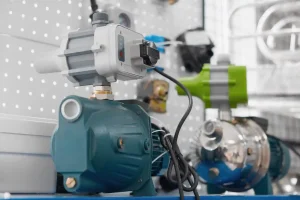
Before jumping to solutions, it’s essential to identify the cause. Here are some common culprits:
1. Clogged Pipes or Fixtures
Over time, minerals and sediment can build up in your pipes, restricting water flow. The issue might be localized only if faucets or fixtures have low pressure.
2. A Malfunctioning Pressure Switch for the Well Pump
The pressure switch for the well pump controls when the pump turns on and off. If it’s faulty or set too low, you may not get enough pressure in your system.
3. A Failing Well Pump
It can’t maintain proper pressure if your pump is old or struggling to draw enough water from the well. Pumps typically last 10–15 years, so it might be time for a replacement if yours is nearing that age.
4. Low Water Levels in the Well
If your well water levels are too low, the pump won’t have enough water to generate adequate pressure. Droughts or overuse can contribute to this problem.
5. Leaks in the Plumbing System
A hidden leak in your pipes can lead to reduced pressure. Check for damp spots, running water sounds, or unexplained increases in your water bill.
How Can I Increase the Water Pressure in My Well Pump?
Once you’ve identified the issue, you can increase the water pressure on the well pump. Here’s how:
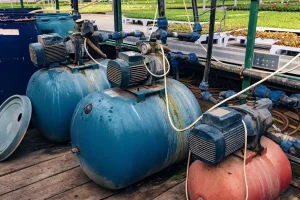
1. Check and Adjust the Pressure Switch
- Locate the pressure switch for the well pump (usually near the pressure tank).
- Use a pressure gauge to check current settings. A typical range is 40-60 PSI.
- Adjust the settings by turning the nut inside the switch housing if needed.
Tip: If you’re unsure about making adjustments, consult a professional to avoid damaging your system.
2. Clean or Replace Clogged Pipes and Fixtures
- Remove and clean faucet aerators.
- Use a descaling solution to break up mineral deposits.
- If pipes are severely clogged, you may need professional plumbing services.
3. Install a Constant Pressure Valve
A constant pressure valve helps regulate pressure and prevents drastic drops when using multiple fixtures. It’s an excellent investment for households with high water demand.
4. Upgrade to a Higher-Capacity Pump
Consider upgrading to a larger unit if your pump is too small for your household needs. A professional can help determine the right pump size.
5. Check for Leaks and Repair Them
- Inspect visible pipes for leaks.
- Listen for hissing sounds near pipes or the well system.
- Call a plumber for a pressure test if you suspect a hidden leak.
6. Inspect the Pressure Tank
If your system has a pressure tank, check its air charge. A faulty tank can cause inconsistent water pressure. To check:
- Turn off the pump and drain the tank.
- Use a tire pressure gauge on the tank’s air valve. It should be 2 PSI below the cut-in pressure.
How Do I Know If My Well Pump Pressure Switch Is Faulty?
A faulty pressure switch for a well pump is a common cause of the lack of water pressure from well systems. Look out for these signs:
Water pressure fluctuates frequently.
The pump doesn’t turn on or off correctly.
The switch contacts look burnt or corroded.
You hear clicking noises, but the pump doesn’t activate.
Solution: Replacing the pressure switch might be necessary if you notice these issues. A professional can inspect and swap it out for a new one.
When Should I Replace My Well Pump to Fix Low Water Pressure?
If you’ve tried everything and still have low well water pressure, it might be time to replace your well pump. Consider a replacement if:
- Your pump is over 10–15 years old.
- The pump struggles to maintain pressure even after adjustments.
- You frequently experience no water pressure from the well despite troubleshooting.
- Repairs are becoming too frequent and costly.
A professional can evaluate whether a new pump is the best option and recommend the right model for your needs.
Get Expert Help for Well Pump Water Pressure Issues
If you’ve followed these steps and still struggle with low well water pressure, professional help can make all the difference. Casco Plumbing and Well Pump Service specialises in diagnosing and fixing well pump issues, ensuring your home gets the strong, steady water flow you need.
Need a quick solution? Contact us today, and our experienced team will restore your water pressure efficiently. Don’t let low pressure slow you down—get expert help now!