
A malfunctioning water heater drain valve can disrupt your day and cause unnecessary stress. The idea of replacing the valve without draining the tank sounds appealing—it saves time and avoids the hassle of dealing with gallons of water. But is it practical, safe, and advisable? If you’re searching for a straightforward guide on replacing the drain valve without draining the tank, you’ve come to the right place. This article will explain how it’s done, the risks involved, and why professionals recommend alternative methods. Whether a DIY enthusiast or simply curious, read on to learn the essentials.
What is a Water Heater Drain Valve?
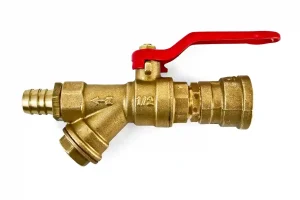
A water heater drain valve is a small but crucial component at the bottom of your water heater. Its primary function is to allow sediment to be flushed out and to provide an outlet for draining the tank during maintenance or replacement. Over time, sediment buildup can damage the valve, causing it to leak or become stuck. When this happens, you may need to replace it to maintain your water heater’s efficiency and longevity.
Can You Replace the Drain Valve Without Draining the Tank?
Technically, replacing the valve without draining the entire tank is possible. The key lies in controlling water flow during the replacement. However, this process is not without risks. A steady pressure release and the right tools can make it feasible, but water heaters hold much water under pressure. Even a minor error can result in water spraying uncontrollably, creating a potential safety hazard and a mess.
How to Replace a Water Heater Drain Valve Without Draining the Tank
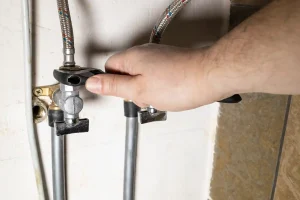
If you’re determined to try this method, follow these steps carefully. Keep in mind that this approach requires preparation, precision, and caution.
Preparation
- Gather the necessary tools: A new drain valve, Teflon tape or pipe dope, a wrench, and a bucket or hose to catch potential spills.
- Turn off the water supply to your water heater: This step minimizes water pressure inside the tank.
- Shut off the power supply: If your water heater is electric, switch off the circuit breaker. For gas heaters, turn the gas valve to “pilot” mode.
Pressure Release
- Attach a garden hose to the current drain valve and direct it to a safe drainage area. Open the valve slightly to relieve internal pressure.
- Once the pressure is reduced, close the valve again.
Drain Valve Replacement
- Use a wrench to loosen and remove the old drain valve carefully. Have a bucket or towel ready to catch any water that may escape.
- Wrap Teflon tape or apply pipe dope to the new valve’s threads to ensure a tight, leak-proof fit.
- Quickly thread the new valve into place and tighten it securely with a wrench.
Post-Replacement
- Reopen the water supply to the heater slowly and check for leaks around the new valve.
- Turn the power supply back on once the valve is appropriately sealed and functioning correctly.
Risks and Precautions to Consider
While replacing a water heater drain valve without draining the tank may sound efficient, the risks often outweigh the benefits. Here are some factors to consider:
- Potential for Uncontrolled Water Release: Even with pressure relief, residual water in the tank can escape rapidly when the valve is removed, causing a mess and possible injury.
- Difficulty Threading the New Valve: Tightening a new valve under pressure can be challenging, leading to improper sealing and future leaks.
- Damage to Tank Components: Sediment or debris may shift during the process, damaging internal parts or affecting water quality.
Professionals generally recommend draining the tank before replacing the valve for these reasons. It ensures a safer and more efficient replacement process.
FAQs
Why do I need to replace my water heater drain valve?
A damaged or leaking drain valve can reduce your water heater’s efficiency and lead to water damage in your home. Replacing the valve prevents sediment buildup from affecting performance and ensures your system remains reliable.
How do I know if my water heater drain valve needs to be replaced?
Common signs include leaks around the valve, difficulty opening or closing it, and visible corrosion. If sediment buildup prevents the valve from draining correctly, it may also need replacement.
Is it safe to replace the drain valve without professional help?
While it’s possible to do this as a DIY project, it’s not entirely safe, especially if you choose not to drain the tank. Hiring a professional ensures the job is done correctly, minimizing risks to you and your water heater.
Leave It to the Experts
Replacing a water heater drain valve without draining the tank is possible but not recommended due to the potential hazards and complications. A controlled and safe approach is always best. Casco Plumbing and Well Pump Service specializes in water heater repairs and replacements, including drain valves. Our experienced professionals handle the job precisely, so you don’t have to worry about leaks, messes, or safety risks. If you need expert help, reach out to us today. Let us handle the details while you enjoy a stress-free plumbing experience.